OLOVA logo OLOVA
Skater-Owned . Tri-Cities, BC
Stories and background
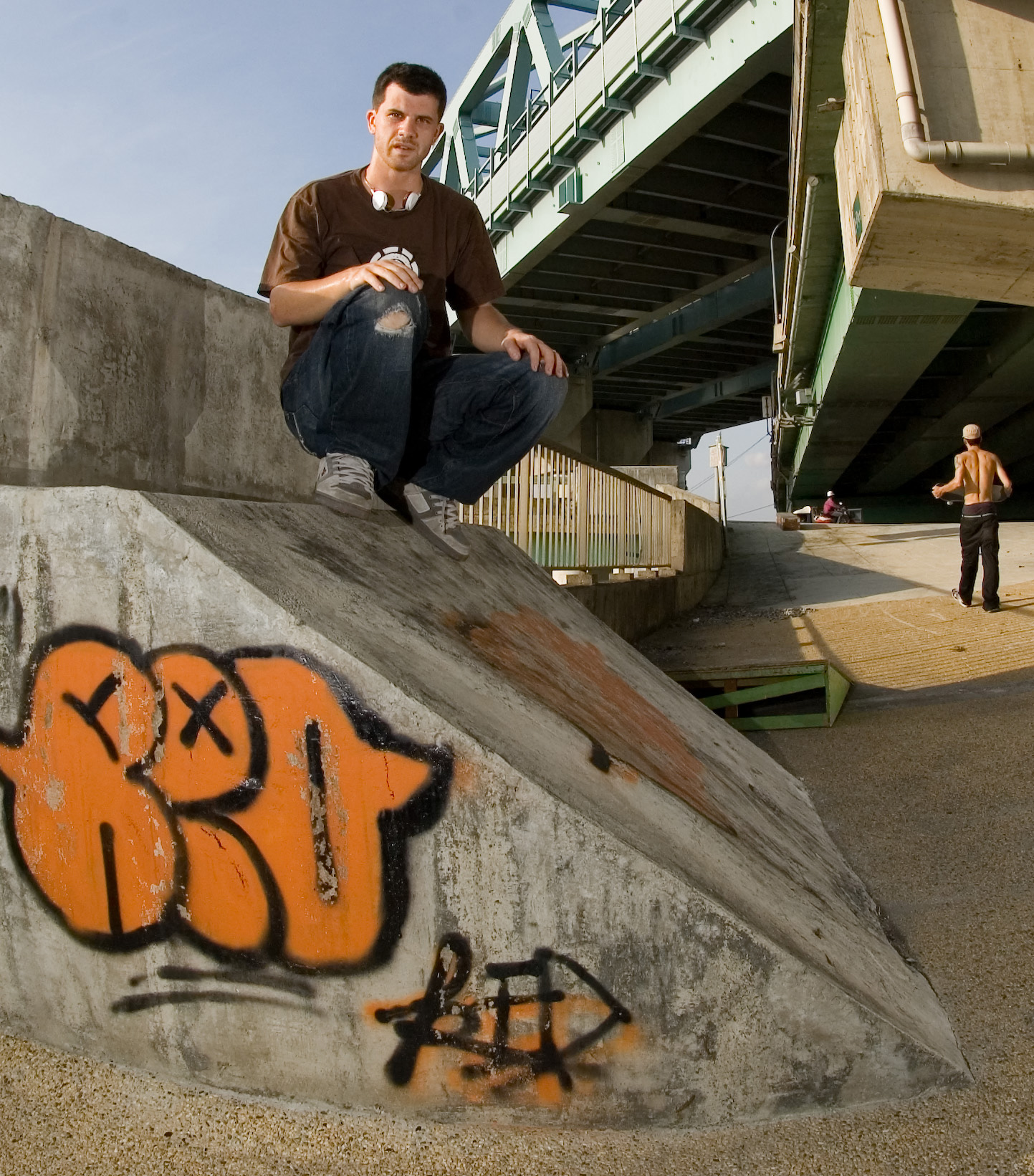
Vaughan Smith-Neville

Skateboarding has been the most consistent thing in Vaughan’s life.

Not as a hobby or a brand, but as a way of reading the world.

What that actually means: when he walks into a public space, he is thinking about what the ground does, where the lines want to go, how the edges are finished, where people will naturally gather, and whether the space will sustain real use once the meeting is over and nobody is watching.

That habit started on a board. It has not stopped.

This is not a recent interest.

Long roots, not a late pivot.

As a teenager in Vancouver, Vaughan was one of the founding members of the VSC, the Vancouver Skatepark Coalition. The work was basic: show up, make the argument, keep the pressure going long enough that decision-makers had to pay attention.

In his twenties, living in Taiwan, he started the TSA, the Taichung Skateboarders Association, alongside local Taiwanese skaters building something at an early park there. Different city, different language, same argument: the people who actually skate should have a voice in where and how skating happens.

Back home now, the same work continues. Skate Undercover. Port Moody. Belong. The specifics change. The instinct does not.
How the work thinks

Hiding the skatepark

Most skatepark advocacy ends up in the same place. A fenced compound at the edge of a site. A concrete pad tucked behind the parking lot. A token gesture that tells skaters they are tolerated but not welcome in the main event.

Vaughan’s design thinking goes the other direction.

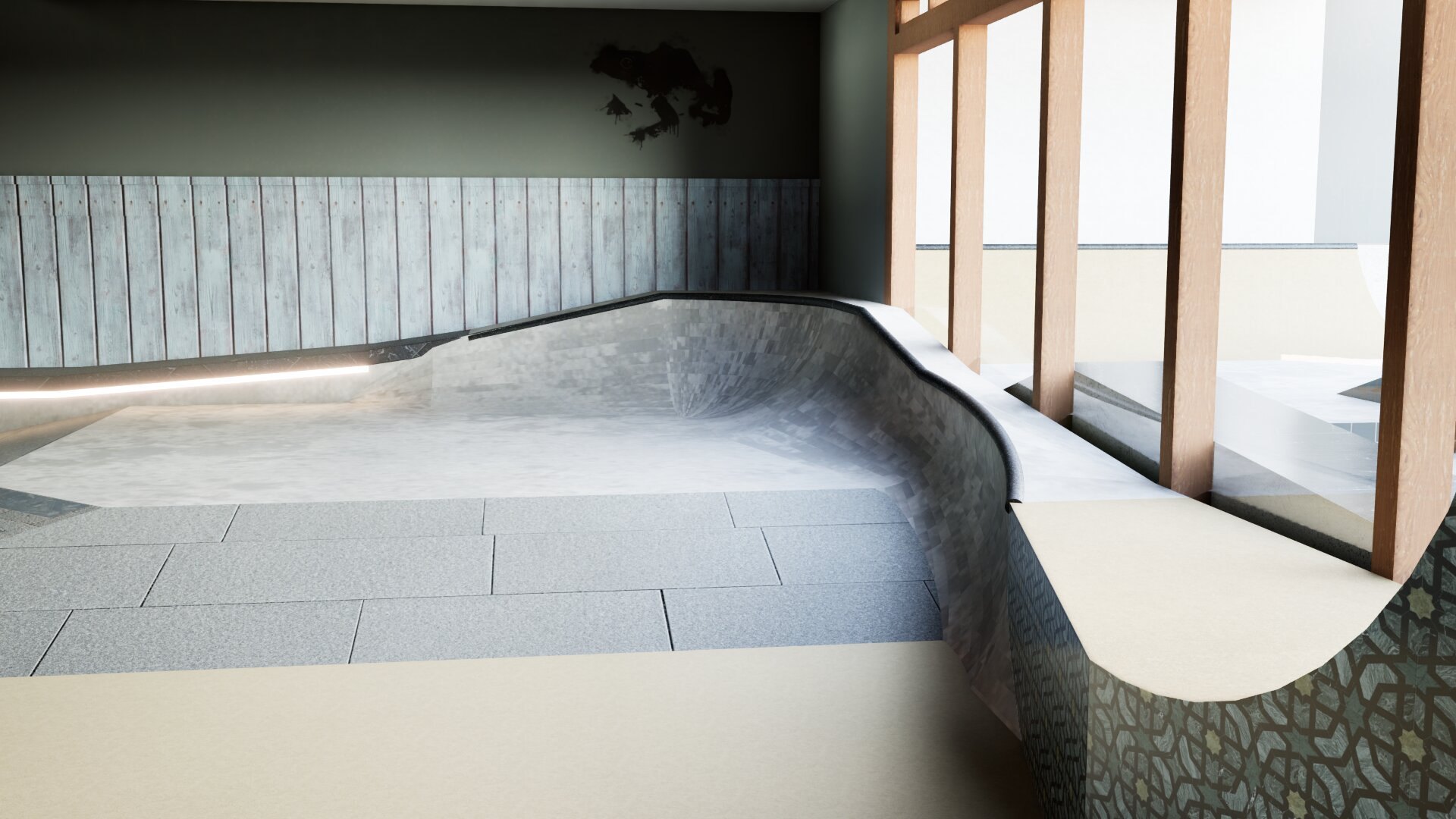
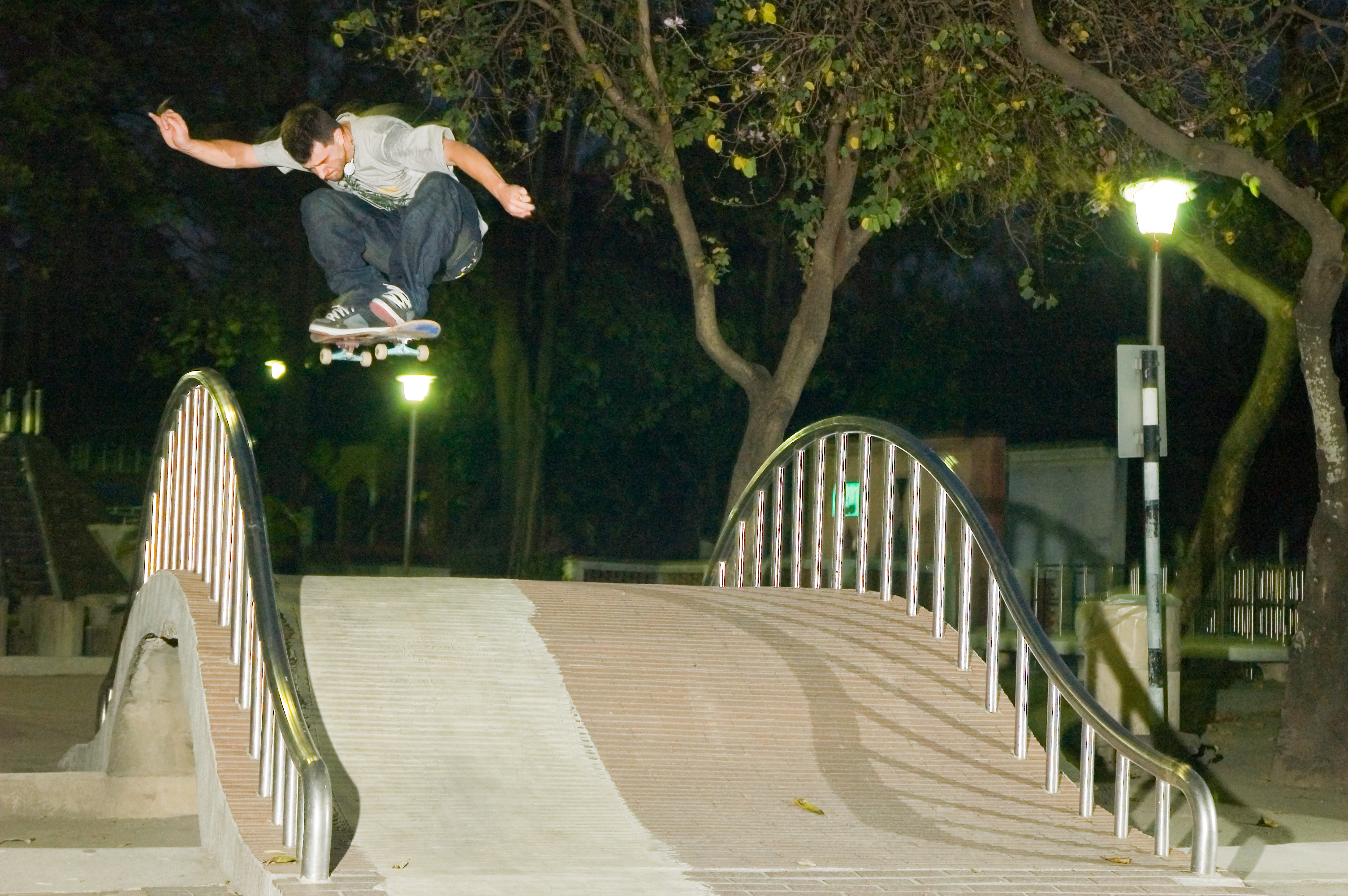
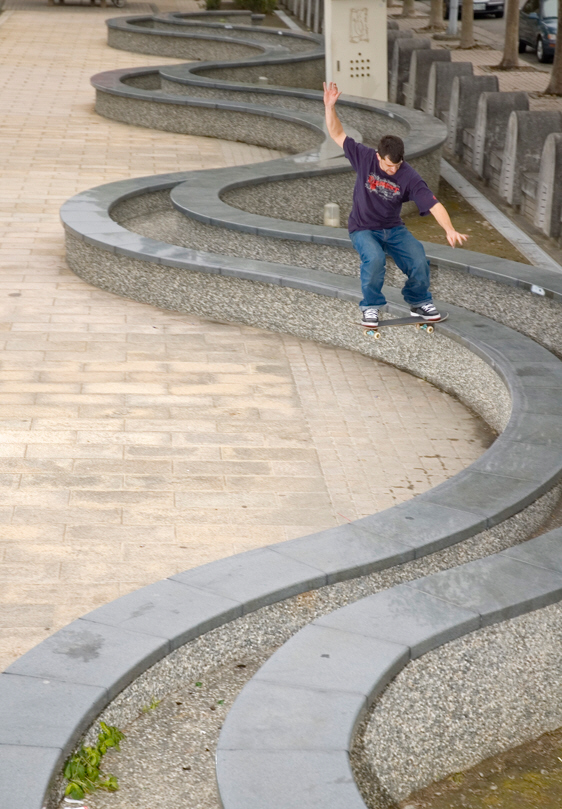
The strongest version of a skatepark is one that disappears into a broader, better public place. Not hidden out of shame, but integrated by design. A stage that is also a skate spot. A retaining condition that becomes terrain. A civic plaza where the skating belongs to the whole composition instead of fighting it.

The goal is to give a city something beautiful and public first, and make it deeply skateable on purpose. When it works, the skating is hiding in plain sight.

A park inside a skatepark, not a skatepark inside a park.

Why skater-led work makes a difference

The people who understand the culture should be part of the thinking.

Not brought in for optics. Part of the concept work before the wrong version becomes permanent.
Port Moody skatepark and public-space concept render
DesignPoint of view

Insider knowledge matters

The places that actually work tend to have one thing in common: the people who shaped them understood skating from the inside.

Not aesthetically. Not administratively. From inside the culture, which means understanding how a spot reads, why certain surfaces hold up and others do not, what makes a line feel right after ten thousand passes, and why one wrong decision in a corner can make the whole space feel off even if nothing is technically broken.

That is not a critique of planners or engineers. Most of them are doing their jobs correctly within what they know. The issue is that the people who carry the cultural knowledge are often not in the room when decisions harden. By the time a skater gets a look, the thing is already built wrong.

Belong Centre indoor skatepark concept render
BelongCurrent proof

Part of the thinking from the start

The people who understand the culture should be part of the concept work. Not brought in for optics. As part of the thinking before the wrong version becomes permanent.

The projects on this site, the concepts, the renders, the Belong work, and the archive are the visible part of a long ongoing argument that good public space and real skate use are not competing interests.

They never were.

Got a project or story lead that fits?

Use one inbox and keep the first message clean. A bit of context, a location, and a few useful links is enough.